
Side Dishes
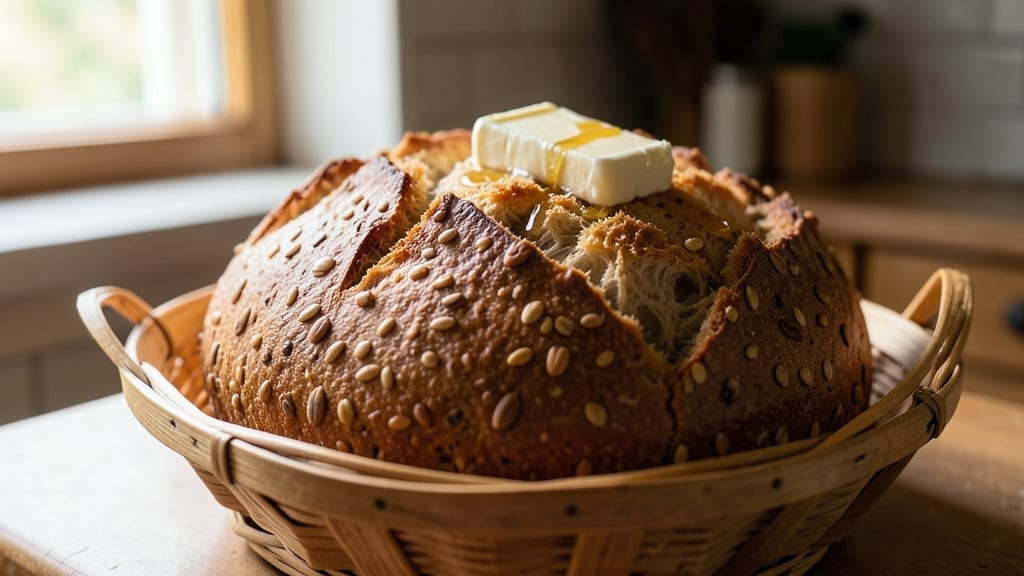
This 9-grain bread machine recipe delivers a nutty-crusted loaf with an airy, open crumb that rivals artisanal bakeries—all with minimal effort. The secret lies in blending whole grains like wheat, rye, and barley for depth, while the bread machine handles the heavy lifting of kneading and baking.
I’ve perfected this recipe after years of testing, ensuring every slice has that crusty exterior and tender interior you crave.
The beauty of this method is its simplicity: just toss the ingredients into your bread machine, select the basic cycle, and walk away. No yeast calculations, no hand-kneading—just foolproof results that taste homemade.
The grains add a subtle earthiness and chewiness, making this loaf perfect for sandwiches, toast, or serving alongside soups. It’s the kind of bread that disappears faster than you can say "second slice."
What sets this apart is the open crumb structure, achieved by balancing hydration and fermentation time. The crust develops a rich, toasted flavor from the grains, while the interior remains soft and inviting.
Whether you’re a beginner or a seasoned baker, this recipe delivers restaurant-quality bread without the fuss. Ready to transform your kitchen into a bakery?
For extra flair, consider adding seeds like flax or sunflower for crunch, or a touch of honey for subtle sweetness. The bread machine does all the work, but the magic happens in the ingredients—where tradition meets convenience. Let’s get baking!
Ingredients for 9 grain bread machine
Nine distinct grains create a nutty-crusted loaf with restaurant-quality texture and flavor.
| Ingredient | Amount | Notes |
|---|---|---|
| Whole Wheat Flour 🌾 | 2 cups | Unbleached, high-protein preferred |
| Rye Flour 🌾 | ½ cup | Dark rye for robust flavor |
| Barley Flour 🌾 | ½ cup | Ground from pearled barley |
| Spelt Flour 🌾 | ½ cup | Adds nutty undertones |
| Oat Flour 🌾 | ½ cup | Blended from rolled oats |
| Buckwheat Flour 🌾 | ¼ cup | Rich, earthy flavor |
| Cornmeal 🌽 | ¼ cup | Fine-ground preferred |
| White Whole Wheat Flour 🌾 | 1 cup | Balances texture |
| Active Dry Yeast 🍞 | 1 ½ tsp | Fresh yeast at 0.75 tsp |
| Granulated Sugar 🍚 | ½ tbsp | Feeds yeast fermentation |
| Salt 🧂 | 1 ½ tsp | Diamond Crystal preferred |
| Unsalted Butter 🧈 | ½ cup | Cold, cubed for flavor |
| Warm Water 💧 | 1 ¼ cups | 110°F for optimal yeast |
| Honey 🍯 | 1 tbsp | Enhances crust color |
| Flaxseeds 🌱 | 1 tbsp | Optional for crunch |
The grain blend makes this recipe shine. Bob's Red Mill or King Arthur flours are ideal for consistent texture, but any high-quality organic options work. For the rye and barley, bulk bins at Whole Foods offer the freshest options—look for dark, vibrant grains with minimal dust. Spelt and buckwheat should be ground just before mixing to preserve their nutty flavors. The oat flour can be homemade by blending rolled oats in a food processor (about 1 cup oats = 1 cup flour). If you're short on time, Trader Joe's sells pre-ground oat flour that works perfectly. The yeast is non-negotiable—always check the expiration date, and if it smells stale, toss it. For the butter, Plugrá or Land O'Lakes unsalted provides the best flavor without overpowering the grains.
No buckwheat flour? Substitute with additional rye or whole wheat at the same quantity—it won’t be identical, but the texture stays close. Running out of spelt? Swap for farro flour, though it’s slightly heavier. The honey can be replaced with maple syrup at half the amount, but it’ll darken the crust more. For a gluten-free adaptation, replace all flours with a 1:1 gluten-free bread flour blend (like Bob’s Red Mill) and reduce the water by 1-2 tablespoons. The flaxseeds are optional but add wonderful crunch—sunflower seeds work too, though they’re nuttier. If your bread machine has a seed setting, sprinkle them in the pan during the last 5 minutes of baking. For the water, if you don’t have an instant-read thermometer, boil water, let it sit for 5 minutes, then check—it should be warm to the touch but not hot.
This dough is best used immediately, but you can prep it up to 12 hours ahead by mixing everything except the yeast, storing in an airtight container, then adding yeast and water just before baking. The baked loaf keeps well for 3-4 days at room temperature wrapped in a clean kitchen towel, or 1 week in the fridge. For longer storage, slice and freeze portions—up to 3 months. To revive, toast directly from frozen or warm in a 350°F oven for 5-10 minutes. The crust develops best when cooled completely on a wire rack, not on the pan. For extra crunch, brush the cooled loaf with melted butter and sprinkle with coarse sea salt before serving. This bread freezes beautifully too—wrap tightly in foil and store for up to 6 months. Just thaw at room temperature before slicing.
Why You'll Love This Recipe
- Hands-Off Magic: I swear, the bread machine does all the work—just toss in the flours (whole wheat, rye, barley, spelt, oat), add water and yeast, and walk away. No kneading, no guessing, no stress. My machine even handles the rise and bake while I sip coffee.
- Nutty Earthy Crunch: That blend of rye and barley gives it a deep, almost spiced warmth, while the oat flour adds a subtle crunch. Honestly, it’s the kind of bread that makes plain butter taste like a celebration—no fancy toppings needed.
- Weeknight Hero: Slice it for toast in the morning, pack it for lunches, or use it to soak up soups all week. Between us, this is the bread that actually lasts—no stale loaves here. My kids fight over the leftovers, and I don’t even joke.
- Pantry Stash Gold: I buy these flours in bulk, and they stretch across multiple loaves. No wasted ingredients, no last-minute grocery runs. Plus, the cost per loaf is a fraction of store-bought—especially when you factor in how much of it disappears.
Step-by-step instructions for 9-Grain bread machine recipe
Transform these nutrient-rich flours into a loaf with an irresistible nutty crust and open, airy crumb.
Combine Dry Ingredients in the Bread Machine Pan
In a medium bowl, whisk together all the dry ingredients: the 2 cups Whole Wheat Flour, 0.5 cup Rye Flour, 0.5 cup Barley Flour, 0.5 cup Spelt Flour, 0.5 cup Oat Flour, 0.25 cup Buckwheat Flour, 0.25 cup Cornmeal, 1 cup White Whole Wheat Flour, 1.5 tsp Active Dry Yeast, 0.5 tbsp Granulated Sugar, and 1.5 tsp Salt. The buckwheat and rye flours add earthy depth, while the oat flour contributes subtle sweetness.
Sift the mixture lightly through a fine-mesh sieve directly into the bread machine pan to eliminate any potential lumps. Tap the pan gently to distribute the flour evenly along the sides. This prevents dense pockets in the final loaf and ensures even hydration during mixing.
Add Wet Ingredients and Prepare the Dough
Create a well in the center of the dry ingredients and add the 0.5 cup Unsalted Butter (cold and cubed), 1 tbsp Honey, 1 tbsp Flaxseeds, and 1.25 cups Warm Water (measured at 110°F). The butter should remain in small cubes initially—it will emulsify during mixing.
Use a wooden spoon to gently combine the ingredients, breaking up any large clumps but avoiding overmixing. The dough will appear shaggy at first, which is normal. The flaxseeds add subtle crunch to the crumb, while the honey enhances browning and contributes to the bread's moist texture.
Set the Bread Machine and Begin the Cycle
Select the Basic White Bread setting on your bread machine and close the lid. The machine will automatically mix the dough for 5-10 minutes until it forms a smooth, elastic ball that pulls away from the sides of the pan. You'll notice the dough become glossy as the butter incorporates, creating a tender crumb.
After mixing completes, the machine will automatically transition to kneading for 5-10 minutes more. The dough should double in size during this time, reaching the top of the pan. If it doesn't rise significantly, check that the yeast is fresh and the water temperature is correct (110°F).
Allow the Bread to Bake to Perfection
The bread machine will then begin the baking cycle, which typically lasts 3-3.5 hours. During this time, the bread will rise dramatically and develop its signature nutty aroma. The crust will turn a deep golden brown, while the interior develops an open, irregular crumb structure.
Listen for the machine's tone signaling completion, then remove the bread from the pan immediately. The loaf will be extremely hot—place it on a wire rack to cool for at least 1 hour before slicing. This resting period allows the crumb to fully set, preventing a gummy texture. The crust should be crisp yet tender, with visible pockets of air from the diverse flours.
Pro Tips For Making 9 Grain Bread Machine
- Prep the Flours First: Sift the whole wheat, rye, and barley flours together before adding them to the bread machine—this prevents clumps that turn your dough into a lumpy mess. The oat flour can stay whole, but give it a quick pulse in the food processor to mimic sifting if you’re in a hurry.
- Use Less Water: Nine-grain bread absorbs moisture like a sponge, but too much water makes the dough sticky and gummy. Start with 1½ cups water and add just 1 tablespoon more if the dough feels dry after the first knead—better to fix it later than deal with a soggy loaf.
- Skip the Oat Flour Shortcut: I know it’s tempting to grab quick oats and grind them yourself, but store-bought oat flour is finer and blends better. If you’re making your own, pulse them in batches until they’re powdery—lumpy oat flour throws off the texture more than you’d think.
- Check the Dough Temp: After the first knead, the dough should be warm but not hot to the touch (around 80°F). If it’s cooler, the bread will take longer to rise and may end up dense. Let it sit for 5 minutes before adding more flour—sometimes it just needs time to warm up.
Perfect pairings for 9 grain bread machine
Breakfast Pairings
This hearty 9-grain loaf is perfect for breakfast sandwiches—try it with scrambled eggs and sharp cheddar or smoked salmon and cream cheese. The nutty crust holds up beautifully to runny yolks, while the open crumb absorbs flavors without getting soggy.
For a sweet start, toast slices and top with almond butter and banana slices or peanut butter and honey. 🍳
Soup & Salad Companions
Serve warm slices alongside creamy soups like butternut squash or tomato basil. The dense texture soaks up broth beautifully, while the grains add satisfying bite. For salads, pair with arugula, shaved fennel, and a lemon vinaigrette—each bite of crusty bread contrasts perfectly with the peppery greens.
I love this combo with roasted vegetable salads too.
Dinner Sandwiches
Transform into gourmet sandwiches with fillings like roasted turkey and cranberry sauce, or grilled chicken with avocado and sprouts. The grain blend's heartiness balances rich meats, while the crisp crust prevents floppiness. For a vegetarian option, stuff with hummus, roasted red peppers, and spinach—it's a flavor powerhouse. 🥪
Cheese & Charcuterie Boards
Cut into thick slices and arrange alongside aged cheeses like Gruyère or brie, cured meats, and dried fruits. The nutty flavor complements sharp cheeses beautifully, while the sturdy crust holds up to slicing.
Add a drizzle of honey or fig jam for sweet contrast. This bread becomes the star of any charcuterie display.
Dessert Toast
For a sweet finish, lightly toast slices and top with mascarpone and fresh berries or Nutella and sliced almonds. The crust's crunch contrasts perfectly with creamy fillings. I also love drizzling melted dark chocolate and sprinkling sea salt—it's like a dessert in every bite. Perfect for satisfying late-night cravings.
Wine & Beverage Pairings
Pair with crisp whites like Sauvignon Blanc or a dry Riesling to complement the bread's nutty notes. For beer lovers, a light lager or Belgian witbier cleanses the palate beautifully.
Coffee or chai tea also enhance the grain flavors—try it with a strong espresso for a breakfast treat. The versatility makes it perfect for any meal or snack time. ☕
Nutrition facts
Frequently asked questions
Can I substitute any of the flours in this 9-grain recipe?
Yes, but choose wisely! For the rye or barley, swap with equal parts whole wheat—it won’t be identical, but the texture stays close. Buckwheat is tricky to replace; use extra rye or spelt instead. The oat flour can be omitted entirely if needed, but reduce the water by 1-2 tablespoons since it absorbs more moisture. Always sift flours to prevent dense pockets in the loaf.
Why did my bread turn out dense instead of light and airy?
Dense bread usually means overmixing or underproofing. First, check your yeast—it must be fresh and the water 110°F. If the dough didn’t double in size during kneading, try reducing the flour by 1-2 tablespoons next time. Also, ensure your bread machine pan is lightly greased to prevent sticking, which can weigh down the dough.
How do I store this bread to keep it fresh longer?
Wrap the cooled loaf in a clean kitchen towel and store at room temperature for 3-4 days. For longer storage, slice and freeze portions for up to 3 months. To revive, toast directly from frozen or warm in a 350°F oven for 5-10 minutes. Never refrigerate—it dries out the crust faster than room temperature storage.
Can I add seeds or nuts to this recipe?
For extra crunch, sprinkle 1-2 tablespoons of flaxseeds, sunflower seeds, or chopped walnuts directly into the bread machine pan during the last 5 minutes of baking (if your machine has a seed setting). If not, mix them into the dough before starting the cycle. Just reduce the water by 1 tablespoon to account for the extra moisture from seeds.
What’s the best way to reheat stale slices?
For crispy toast, pop slices in a 375°F oven for 3-5 minutes until golden. For sandwiches, lightly toast in a dry skillet over medium heat for 1-2 minutes per side. Avoid the microwave—it makes the crust soggy. Pro tip: Store slices in a paper bag at room temperature to maintain freshness longer than plastic.