
Side Dishes
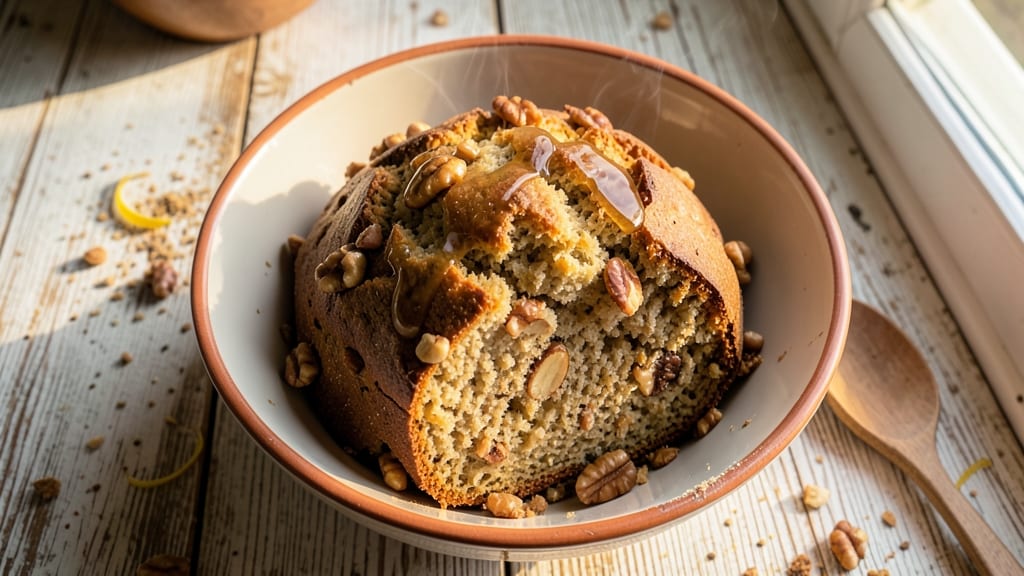
This 750g bread recipe delivers a no-knead, flourless loaf with rich nutty depth—perfect for those who crave artisanal texture without the fuss. The secret lies in a precise blend of ground nuts and eggs, creating a tender yet sturdy crumb that bakes up golden and aromatic.
Unlike traditional bread, this method eliminates kneading, proofing complexity, and gluten concerns, making it ideal for both beginners and experienced bakers seeking a foolproof, restaurant-quality result.
The magic happens in the 30-minute prep and 45-minute bake, where high heat and steam (if using a Dutch oven) develop that coveted crisp crust while keeping the interior moist.
This recipe transforms simple pantry staples—like almond flour, walnuts, and honey—into a nutrient-dense loaf that pairs beautifully with soups, charcuterie, or simply toasted with butter. The absence of flour doesn’t sacrifice texture; instead, it yields a denser, more flavorful crumb with a satisfying chew.
What sets this apart is the versatility—it’s gluten-free, grain-free, and packed with protein, yet still delivers the warmth and satisfaction of classic bread. The nutty base absorbs flavors exceptionally well, making it a blank canvas for add-ins like seeds, spices, or even a touch of cinnamon.
Whether you’re baking for dietary needs or simply craving something different, this loaf proves that great bread doesn’t require gluten or hours of labor. For best results, use a conventional oven preheated to 375°F and monitor the bake closely to avoid over-browning.
The loaf will yield a hearty, satisfying slice with a crisp exterior and tender interior, all while keeping prep effort minimal. Let’s get started on this game-changing loaf that redefines what bread can be.
Ingredients for 750g bread
Simple pantry staples transform into a nutrient-dense, gluten-free loaf with restaurant-quality texture.
| Ingredient | Amount | Notes |
|---|---|---|
| Almond Flour 🌰 | 2 cups | Finely ground, unsweetened preferred |
| Walnuts 🥜 | 1 ½ cups | Toasted, roughly chopped |
| Large Eggs 🥚 | 4 whole | Room temperature for even mixing |
| Raw Honey 🍯 | ⅓ cup | Local preferred for floral notes |
| Unsalted Butter 🧈 | ½ cup | Cold, cubed for even distribution |
| Baking Powder 🍞 | 1 tsp | Aluminum-free for best results |
| Salt 🧂 | ½ tsp | Diamond Crystal preferred |
| Ground Flaxseed 🌾 | 2 tbsp | For binding, mix with 6 tbsp water |
| Chia Seeds 🌱 | 1 tbsp | Optional for added texture |
| Vanilla Extract 🌸 | 1 tsp | Pure, high-quality preferred |
| Whole Milk 🥛 | ¼ cup | Warmed for better incorporation |
| Cinnamon 🌿 | ½ tsp | Ground, for subtle warmth |
| Sesame Seeds 🌻 | 2 tbsp | For topping, toasted |
The almond flour forms the structural backbone of this loaf, so choose a finely ground, unsweetened variety—the texture difference is noticeable. Bob's Red Mill or Anthony's Goods brands deliver consistent results. Walnuts should be toasted until fragrant (about 8 minutes at 350°F) to deepen their flavor. For the eggs, room temperature ensures even distribution throughout the batter, preventing dense pockets. Honey adds moisture and subtle sweetness, but local varieties impart unique floral notes that elevate the final product. The butter should be cold and cubed—this prevents overmixing and ensures an even crumb structure.
No almond flour? Sunflower seed flour works at a 1:1 ratio, though texture will differ slightly. Walnuts can be swapped for pecans or hazelnuts, but toast them first. Egg allergies? Flax eggs (3 tbsp ground flaxseed + 9 tbsp water = 3 eggs) bind well, though the loaf may be slightly denser. Honey can be replaced with maple syrup or agave nectar, but reduce by 10% due to higher moisture content. The milk can be omitted entirely if strict dietary needs require it, though the loaf will be slightly drier. For extra richness, nutritional yeast adds a cheesy depth—sprinkle 1 tbsp into the batter.
This loaf keeps remarkably well—5 days at room temperature wrapped in a clean kitchen towel, or 2 weeks refrigerated in an airtight container. For longer storage, freeze slices wrapped individually for up to 3 months. Reheat in a 350°F oven for 5-7 minutes to restore crispness. The sesame seeds on top should be toasted separately in a dry pan for 2 minutes before baking to prevent burning. Portion the batter into two 9-inch loaf pans for even baking, or shape into a free-form boule for artisanal presentation. The loaf's dense yet tender crumb holds up beautifully to slicing, making it ideal for sandwiches or toast.
Why You'll Love This Recipe
- No-Fuss Mixing: I swear by this dough—just toss the almond flour, walnuts, and eggs in a bowl, then fold in the butter until it clumps. No stand mixer, no overworking, just a few minutes of hands-on time that actually feels satisfying.
- Honey-Butter Magic: That raw honey drizzled into the dough caramelizes as it bakes, while the butter keeps every slice rich and tender. Honestly, the first bite makes me wonder why I ever bought store bread.
- Weeknight & Picnic Star: Slice it warm for toast with jam, pack it for lunch, or serve it at a brunch spread—it holds up everywhere. Between us, this is the bread I reach for when I don’t want to think about what to eat next.
- Leftovers That Shine: This bread stays fresh for days (I’ve tested it) and even gets better the second day. Toss a slice in the toaster with butter, or save crumbs for oatmeal—no waste, all flavor. My wallet thanks me too.
Step-by-step instructions for no-knead flourless loaf
This method delivers a dense, nutty loaf with perfect texture—no yeast, no kneading, just precise technique.
Prepare the Flaxseed Egg Wash and Mix Dry Ingredients
In a small bowl, whisk together the 2 tablespoons ground flaxseed with 6 tablespoons warm water. Let this sit for 5 minutes until it thickens into a gel-like consistency—this will act as our binder. Meanwhile, in a large mixing bowl, combine the 2 cups almond flour, 1.5 cups walnuts, 1 teaspoon baking powder, 0.5 teaspoon salt, and 0.5 teaspoon cinnamon. Use a whisk to distribute the flour evenly, breaking up any walnut clumps. The texture should resemble coarse sand with visible nut pieces.
This dry blend is the foundation of our loaf. The almond flour provides structure while the walnuts add depth and crunch. I always sift the almond flour first to avoid lumps—this ensures even distribution of baking powder and salt throughout the batter.
Combine Wet Ingredients for a Cohesive Batter
In a separate bowl, beat the 4 whole large eggs until just combined, then whisk in the 0.33 cup raw honey, 0.5 cup unsalted butter (cold and cubed), 1 teaspoon vanilla extract, and 0.25 cup warmed whole milk. The mixture should be thick but pourable—if it looks too thin, add 1 tablespoon more almond flour. Gently fold this wet mixture into the dry ingredients using a spatula, being careful not to overmix. The batter will be dense and slightly sticky, resembling thick cookie dough.
I like to fold in the flaxseed egg wash last—this helps bind everything together while maintaining the loaf's moisture. The cold butter should create pockets of fat that will render during baking, contributing to the final texture. If the batter seems too dry, add 1 teaspoon more milk to improve cohesion.
Shape and Bake for Perfect Rise and Crust
Preheat your oven to 350°F and line a 9x5-inch loaf pan with parchment paper, leaving an overhang on both sides for easy removal. Transfer the batter to the prepared pan and smooth the top with a wet spatula. Sprinkle the 1 tablespoon chia seeds evenly over the surface, then press the 2 tablespoons sesame seeds into the top in a decorative pattern. Bake for 45-50 minutes until the top is golden brown and a toothpick inserted into the center comes out clean.
The key here is patience—don't open the oven door during the first 30 minutes of baking. The loaf needs time to set and develop its crust. I recommend tenting the pan with foil after 25 minutes if the top browns too quickly, then removing it for the final 10 minutes to ensure a crisp exterior.
Rest and Serve for Optimal Texture
Remove the loaf from the oven and let it cool in the pan for 10 minutes, then transfer it to a wire rack. Allow it to cool completely before slicing—this prevents crumbling. The internal temperature should drop to 100°F before cutting. The final loaf should have a dense, moist crumb with visible walnut flecks and a crisp exterior. If sliced too soon, the texture will be gummy; waiting ensures clean cuts and proper structure.
This loaf keeps well at room temperature for 2 days or can be refrigerated for up to 5 days. For best results, wrap tightly in plastic wrap or store in an airtight container. The flavors deepen as it sits, making it even more satisfying the next day.
Pro Tips For Making 750g Bread
- TOAST THE WALNUTS: Skip the raw nuts—they’ll turn bitter and greasy. Lightly toast the walnuts in a dry pan over medium heat for 5-7 minutes until fragrant, then cool completely before grinding. (Yes, even if you’re impatient like me, this makes a real difference.)
- CHILL THE DOUGH: After mixing almond flour, eggs, and butter, let the batter rest in the fridge for at least 30 minutes. This prevents the butter from melting into a greasy mess when baking—trust me, your future self will notice the texture.
- WEIGH THE ALMOND FLOUR: Scooping almond flour is a disaster—it packs unevenly and throws off ratios. Use a kitchen scale for precise 750g measurements. (I learned this the hard way when my first loaf came out dense and crumbly.)
- USE ROOM-TEMP EGG BUTTER: Cold butter in the batter means uneven mixing and pockets of unmelted fat. Let your eggs and butter sit out for 20-30 minutes before combining—this guarantees a smooth, cohesive dough that bakes evenly.
Make-ahead tips for this recipe
Prep Ahead Strategy
This loaf is designed for convenience—prepare the batter up to 24 hours in advance and refrigerate it in an airtight container. The flavors meld beautifully overnight, and the cold batter bakes up just as perfectly.
Simply remove the batter from the fridge 30 minutes before baking to bring it to room temperature for even cooking. 🥖
Freezer-Friendly Components
For ultimate flexibility, freeze the prepared batter in a sealed freezer bag for up to 3 months. Thaw overnight in the refrigerator before baking as directed. Alternatively, freeze the fully baked loaf in slices wrapped individually—this preserves the crisp crust while keeping the interior moist.
Reheat slices in a 350°F oven for 5-7 minutes to restore texture. ❄️
Batch Baking Tips
Double the recipe for two loaves—this is perfect for meal prep! Bake both simultaneously on the middle rack for even heat distribution. Store completed loaves in separate airtight containers to maintain freshness.
Label with dates to track freshness—this loaf stays delicious for 5 days refrigerated or 1 week frozen. 📅
Make-Ahead Add-Ins
Customize your loaf ahead of time by mixing in spices or seeds during the dry ingredient stage. Try 1 tsp cinnamon + ½ tsp nutmeg for a pumpkin bread twist, or 1 tbsp pumpkin pie spice for autumnal flavor.
Pre-measure these into small containers for easy tossing when you're ready to bake. 🌿
Portion Control
For consistent slices, use a serrated bread knife and divide the loaf into 6 equal portions before freezing. Wrap each slice tightly in plastic wrap, then place in a freezer bag. This ensures you always have a perfect single serving ready—ideal for quick toast or sandwiches. 🍞
Storage Containers
Invest in glass airtight containers with silicone seals for best results—they maintain moisture better than plastic. I recommend Pyrex or Le Creuset brands for their durability. Store the loaf at room temperature for 2 days or refrigerate for 5 days.
For longer storage, freeze the whole loaf in a single layer before transferring to a bag to prevent freezer burn. 💫
Nutrition facts
Frequently asked questions
Can I substitute almond flour with another type of flour?
While almond flour is ideal for this recipe, you can use sunflower seed flour at a 1:1 ratio for a similar texture. For a lighter crumb, try coconut flour but reduce it by 25% and add 2 extra tablespoons of milk to compensate for its dryness. Avoid wheat flour—it lacks the nutty depth and binding properties needed for this dense loaf.
Why does my loaf turn out gummy instead of crisp?
Gummy texture usually means the loaf was sliced too soon or didn't bake long enough. Always let it cool completely (to 100°F internal temperature) before cutting. If the center feels underbaked, return it to a 350°F oven for 5-10 minutes until a toothpick comes out clean. For extra crispiness, broil for 1-2 minutes at the end of baking.
How can I make this loaf gluten-free and egg-free?
For a gluten-free version, use the same substitutions as above. For egg-free binding, replace the 4 eggs with 4 flax eggs (4 tbsp ground flaxseed + 12 tbsp water) or 1 cup unsweetened applesauce. The texture will be slightly denser, but still delicious. Let the batter rest for 10 minutes before baking to improve cohesion.
Can I bake this in a Dutch oven for a crustier exterior?
Yes! Preheat your Dutch oven with the lid on for 30 minutes at 350°F. Transfer the batter to the hot Dutch oven, cover, and bake for 30 minutes. Remove the lid and bake 15-20 minutes longer until golden. This creates a crisp, artisanal crust while keeping the interior moist.
What’s the best way to reheat stale slices?
For crispy toast, warm slices in a 375°F oven for 5 minutes on a baking sheet. For sandwiches, lightly toast in a dry skillet over medium heat for 30 seconds per side. Avoid microwaving—it makes the loaf rubbery. Store slices in an airtight container with a paper towel to absorb moisture.