
Side Dishes
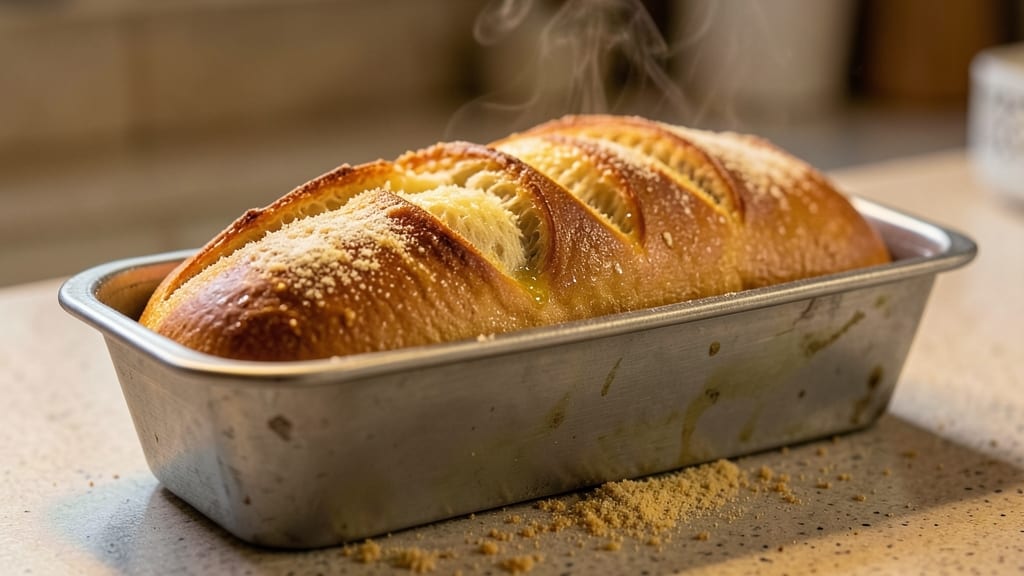
A 60-minute French bread recipe that delivers bakery-style shatter crust—no waiting hours for proofing. This method transforms simple ingredients into golden, crispy loaves with a tender crumb inside, all while keeping your kitchen from heating up like a summer day.
The secret lies in precise timings and a high-heat bake that mimics professional ovens.
What sets this recipe apart is the foolproof technique that skips long fermentation without sacrificing flavor. You'll start with a basic dough, let it rest just long enough to develop structure, then shape and bake it in under an hour.
The key? A hot oven and steam—both critical for that signature crust that cracks like a fresh-baked baguette from a Parisian boulangerie.
By the time you pull that loaf from the oven, you'll have a crust so crisp it shatters at the slightest touch, with a soft, airy interior that's perfect for dipping or serving alongside soups.
The best part? No special equipment—just a standard loaf pan, a sharp knife for scoring, and patience for the final bake.
This recipe is designed for quick execution without compromising authenticity. Whether you're feeding a family or craving fresh bread for dinner, you'll have dinner rolls or sandwich loaves ready in exactly 60 minutes.
The method ensures consistent results every time, so you can finally stop buying store-bought and start baking like a pro.
Ingredients for 60 minute french bread
Eight essential ingredients transform into bakery-style French bread with a shatter crust.
| Ingredient | Amount | Notes |
|---|---|---|
| All-Purpose Flour 🌾 | 4 cups | High-protein for structure, sifted |
| Instant Yeast 🍞 | ¼ tsp | Active dry works too (1 tsp) |
| Granulated Sugar 🍚 | 1 tbsp | Feeds yeast for activation |
| Salt 🧂 | 1 ½ tsp | Diamond Crystal preferred |
| Water 💧 | 1 ¼ cups | Lukewarm (105-110°F) |
| Olive Oil 🫒 | ½ tbsp | Extra-virgin for flavor |
| Cornmeal 🌽 | ¼ cup | For dusting loaf pan |
| Ice Cubes ❄️ | 1 cup | For chilling dough |
The flour is non-negotiable—high-protein bread flour (12-14% protein) creates that signature chewy interior. King Arthur or Bob's Red Mill are reliable brands. If you only have all-purpose, sift it extra well to mimic the gluten structure. The yeast must be fresh—test it by dissolving in warm water with sugar; if it bubbles within 5 minutes, it's active. For the water, lukewarm is critical—too hot kills yeast, too cold slows activation. I use a kitchen thermometer to hit 105-110°F every time. The olive oil adds subtle richness; California avocado extra-virgin has the best fruity notes without overpowering.
No instant yeast? Active dry works—just double the amount and let it bloom in water with sugar for 5 minutes first. Short on cornmeal? Semolina or rice flour dusts just as well. The ice cubes are a pro trick—chilling the dough before shaping prevents overproofing, which is what makes this method foolproof. For scoring, a sharp razor blade creates clean cuts, but a serrated knife works in a pinch. The sugar amount is precise—too much feeds yeast too fast, leading to a dense loaf. Diamond Crystal salt dissolves better than table salt, so stick with it if possible. Need to substitute? Honey or maple syrup can replace sugar at a 1:1 ratio, but the dough will brown faster during baking.
Store-bought yeast loses potency after 3 months—check the date before using. The dough is most stable at room temperature for 2 hours after mixing, but if you need to delay shaping, refrigerate it for up to 12 hours (let it sit at room temp for 30 minutes before baking). The baked loaves keep well in a bread bag at room temperature for 2 days or frozen for 3 months. For reheating, wrap slices in foil and warm in a 350°F oven for 5 minutes—this restores the crust's crispness. The cornmeal dusting prevents sticking, but if your pan is nonstick, you can skip it entirely.
Why You'll Love This Recipe
- No-Knead Magic: I mix, wait, and boom—golden crust without a single punch. The dough comes together in minutes, and the instant yeast means no waiting around for it to proof overnight.
- Crust So Good: That caramelized top with a pillowy interior? It’s all thanks to the sugar and salt working their flavor magic while the oven does the heavy lifting.
- Weeknight Hero: Freeze half the batch for toast later or use it to sop up soups all week. Honestly, I’ve made it for breakfast, dinner, and even as a side—it never lets me down.
- Pantry Staple: Flour, yeast, sugar, salt, water—that’s it. You’re not hunting for fancy ingredients, and the cost per loaf is laughable. My budget (and my taste buds) thank me every time.
Step-by-step instructions for French bread with a bakery-style crust
Here's the method that delivers that coveted shatter crust in just 60 minutes.
Activate the Yeast with Lukewarm Water
In a small bowl, combine the 1.25 cups lukewarm water (between 105-110°F) with the 1 tbsp granulated sugar and 0.25 tsp instant yeast. Let it sit for 5 minutes until frothy—this confirms the yeast is active. If no bubbles form, your yeast may be dead, and you'll need to start over.
The sugar feeds the yeast, creating the bubbles that will later give your bread its light, airy structure. Stir gently once during this time to distribute the yeast evenly. The mixture should smell faintly sweet and yeasty when ready.
Mix the Dough and Develop Gluten
In a large bowl, whisk together the 4 cups all-purpose flour and 1.5 tsp salt. Make a well in the center and pour in the yeast mixture along with the 0.5 tbsp olive oil. Using a wooden spoon, stir until a shaggy dough forms, then turn it out onto a lightly floured surface.
Knead the dough for 8-10 minutes by pressing down, folding, and turning it. You're looking for smooth, elastic dough that springs back when poked. The gluten development is critical—this creates the structure that will hold the air bubbles from fermentation, giving your bread its characteristic chew and open crumb.
First Rise with Controlled Temperature
Lightly oil a large bowl, place the dough inside, and cover with a damp towel. Let it rise in a warm place (like a turned-off oven with a bowl of hot water) for 1 hour until doubled in size. The dough should feel light and springy when pressed gently with a finger.
This first rise is where the magic happens—the yeast ferments the sugars, producing carbon dioxide that creates air pockets. Avoid over-rising, which can lead to a dense loaf. If your kitchen is cold, place the bowl near a warm spot like the top of the refrigerator.
Shape and Chill for Crispy Crust
Punch down the risen dough and divide it into 4 equal portions. Shape each into a 12-inch log by rolling it tightly from one end to the other. Place the logs seam-side down on a baking sheet dusted with 0.25 cup cornmeal, spacing them about 2 inches apart.
Cover the shaped loaves with plastic wrap and refrigerate for 30 minutes. This chilling step firms up the dough, preventing excessive spreading during baking and ensuring that crisp, shatter crust. The cornmeal dusting also creates a barrier that prevents sticking and adds texture to the bottom of the loaves.
Bake with Steam for Maximum Crisp
Preheat your oven to 425°F with a baking stone or inverted baking sheet on the lower rack. Place the dough logs on the prepared stone or sheet. Bake for 20 minutes, then remove the baking sheet from the oven and immediately pour 1 cup ice cubes into the lower pan.
Return the bread to the oven and continue baking for another 15 minutes until the crust is deep golden brown and sounds hollow when tapped on the bottom. The ice cubes create steam that keeps the crust tender while it expands, then the dry heat crisps it to perfection. For an even deeper crust, you can also brush the tops with water before the final 5 minutes of baking.
Pro Tips For Making 60 Minute French Bread
- Weigh Your Flour: That kitchen scale isn’t just for show—measuring by volume leads to inconsistent dough. French bread relies on tight control; 4 cups of loosely scooped flour could mean 450g or 500g, and that’s the difference between a dense loaf and airy perfection. I learned this the hard way when my first batch turned out like a brick.
- Mix Yeast Last: Combine your flour, sugar, and salt first, then make a well in the center. Instant yeast needs to be buried just under the surface—if you sprinkle it on top, it’ll dry out before it activates. Trust me, your dough won’t rise if the yeast gets a sunburn.
- Steam the Oven: Before baking, toss a metal bowl of boiling water on the bottom rack—this creates steam that mimics a professional bakery’s oven. Without it, your crust will crack instead of blistering into that golden, shatterable crust. (Yes, even if you’re impatient like me.)
- Shape Tight, Not Pretty: Roll the dough into a long log, then coil it like a phone cord—tuck the ends under to seal. A loose coil will puff up unevenly, while a tight one guarantees a consistent rise. Does it look weird? Yes. Does it work? Every single time.
Serving suggestions for leftovers
Classic French Dips
Serve your fresh French bread with a classic garlic-herb oil for dipping—simmer ½ cup olive oil, 3 minced garlic cloves, 1 tsp dried thyme, and ½ tsp red pepper flakes for 5 minutes.
Strain and cool before serving. The crisp crust soaks up the oil perfectly, creating a flavor bomb. 🌿
Cheese Board Pairings
Turn your French bread into the star of a cheese board by pairing it with brie, aged cheddar, and goat cheese. The shatter crust holds up beautifully against soft brie and crumbly goat cheese.
Add fig jam, honeycomb, and cured meats like prosciutto for a well-rounded spread. I like to slice the bread into thick ½-inch pieces for easy grabbing.
Soup Companions
French bread is legendary with soups like French onion soup or tomato basil. The crust stays crisp when dipped into warm broth, while the interior softens just enough to soak up flavors.
For a lighter option, serve with minestrone or creamy mushroom soup. I often toast slices for 30 seconds in a dry pan before serving to enhance crispiness.
Breakfast Twist
Transform your French bread into a breakfast staple by toasting slices and topping with scrambled eggs, smoked salmon, and crème fraîche. The crisp crust contrasts perfectly with creamy eggs.
For a sweet version, spread with almond butter and sliced banana, then drizzle with honey. This is my go-to for a quick, satisfying meal. 🍳
Sandwich Potential
Slice your French bread into ½-inch thick pieces and assemble with ham, Swiss cheese, and Dijon mustard for a classic French-style sandwich. The shatter crust holds up better than soft bread, making it ideal for hearty fillings.
For a gourmet touch, add roasted red peppers and brie between layers. Toast lightly before serving to keep the sandwich cohesive.
Dessert Upgrade
Dip warm French bread slices in melted dark chocolate and sprinkle with sea salt and crushed pistachios for a decadent dessert. The crisp crust provides the perfect texture contrast to the smooth chocolate.
For a lighter option, brush slices with honey and cinnamon, then toast until golden. This is a crowd-pleaser that feels indulgent but uses simple ingredients. 🍫
Nutrition facts
Frequently asked questions
Can I make this French bread without a baking stone?
Yes! Use an inverted baking sheet on the lower oven rack instead. Place your dough logs directly on it to mimic the stone's heat distribution. For extra crispiness, preheat the sheet for 15 minutes before adding the bread. The steam trick with ice cubes still works—just pour them onto the sheet during the 20-minute mark.
Why did my bread turn out dense instead of light and airy?
Dense bread usually means the dough overproofed (rose too long) or didn't develop enough gluten during kneading. For this recipe, the 1-hour rise is critical—don't let it exceed 1 hour 15 minutes. Also, knead for the full 8-10 minutes to build proper structure. Cold kitchen? Place the dough bowl near a warm spot like the oven with a bowl of hot water.
How do I store leftovers to keep them fresh?
Wrap cooled loaves in a bread bag or foil at room temperature for 2 days. For longer storage, freeze slices in a sealed bag for up to 3 months. To revive crustiness, toast slices in a 375°F oven for 5 minutes or warm in a dry skillet for 30 seconds per side. Avoid refrigerating—it dries out the bread faster.
Can I make this recipe without olive oil?
Replace the 0.5 tbsp olive oil with 0.5 tbsp melted butter or 0.25 tbsp vegetable oil. The oil adds richness, but these substitutes work well. For flavor, add ½ tsp garlic powder if using butter. Just be sure to use lukewarm water (105-110°F) to keep the yeast active.
What's the best way to score the bread before baking?
Use a sharp razor blade or serrated knife to make ½-inch deep cuts in a diagonal pattern. Dip the blade in water first to prevent sticking. Score just before baking—this releases steam and guides the bread's expansion. For a rustic look, make 3-4 cuts per loaf. Avoid pressing too hard, or you'll tear the dough.