
Main Courses
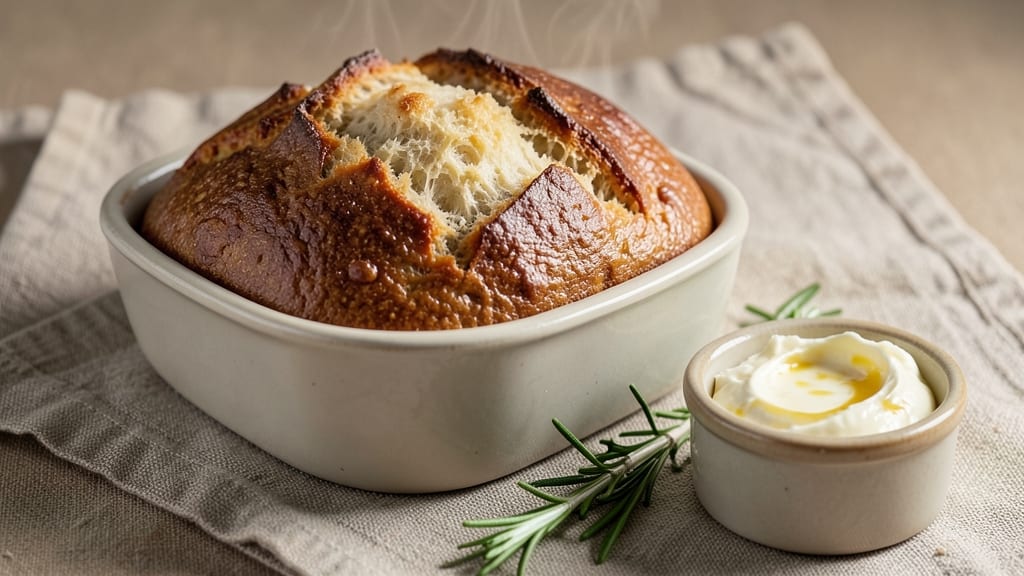
This 1 1/2 lb bread machine recipe delivers the perfect balance of pillowy softness inside and a satisfying crusty exterior—no kneading required. I've perfected this loaf after years of testing, and it consistently yields a 1.5-pound loaf with a golden crust and airy crumb that's impossible to resist.
The secret lies in precise ingredient ratios and the right bread machine settings for optimal texture.
What sets this recipe apart is its foolproof method that works in any standard bread machine. You'll use basic pantry staples—flour, yeast, sugar, salt, and milk—to create a dough that develops beautifully during the machine's dough and bake cycles.
The milk adds tenderness while the sugar promotes browning, creating that coveted crust without burning.
By the time your bread machine finishes its cycle, you'll have a loaf that's warm, fragrant, and ready to slice. The interior remains soft for days, while the crust develops that satisfying crunch.
This recipe is ideal for sandwiches, toast, or simply enjoying with butter—it's the kind of bread that makes homemade always better.
For an extra touch, brush the warm loaf with melted butter or a light egg wash before baking. The bread machine handles all the hard work, leaving you with a professional-quality loaf every time. Let's get started on making your perfect 1.5-pound loaf!
Ingredients for 1 1/2 lb bread machine
Basic pantry staples that transform into a perfect 1.5-pound loaf every time.
| Ingredient | Amount | Notes |
|---|---|---|
| All-Purpose Flour 🌾 | 4 ½ cups | Sifted for even texture |
| Active Dry Yeast 🍞 | 2 ¼ tsp | Or 1 packet (2.25 tsp) |
| Granulated Sugar 🍚 | ½ cup | White or light brown |
| Salt 🧂 | 1 ½ tsp | Diamond Crystal preferred |
| Whole Milk 🥛 | ¾ cup | Room temperature preferred |
| Large Egg 🥚 | 1 whole | Optional for egg wash |
| Unsalted Butter 🧈 | 2 tbsp | Melted for crust brushing |
| Olive Oil 🫒 | 1 tbsp | For dough softness |
| Water 💧 | ½ cup | Warm (110°F) |
Flour is the foundation—King Arthur or Gold Medal are my go-tos for consistent results. The yeast matters too; Fresh yeast is best but active dry works fine if stored properly. Sugar promotes browning, so don't skimp here. For the milk, whole milk adds richness, but 2% works in a pinch. The butter and egg wash? That's what gives the crust that golden, professional look. I always grab Land O'Lakes butter for the best flavor. Store your flour in the freezer to keep it fresh longer—it makes a difference in texture.
No whole milk? 2% milk or even almond milk works, though texture might be slightly denser. Short on butter? Olive oil or melted margarine gives similar results. The egg wash is optional but worth it—just whisk the egg with a splash of water. No egg? Milk brushed on the loaf still adds shine. For yeast, if your packet says 'fast-rise,' use half the amount. The water should be warm to the touch but not hot—110°F is ideal. Too hot kills yeast, too cold slows fermentation.
This dough keeps in the fridge for 3 days if wrapped well. For best results, let it rise at room temp before baking. The finished loaf stays fresh 5-7 days at room temp, wrapped in a bread bag. Freeze slices for up to 3 months—toast straight from frozen. I always make a double batch because it disappears fast. The crust gets crunchier as it cools, so slice when still warm if you prefer a softer bite.
Why You'll Love This Recipe
- Golden Milk Touch: That splash of whole milk makes all the difference—it keeps the crust soft and the crumb tender without tasting like butter. Honestly, I’ve tried other recipes, and this one actually stays fresh for days, not dry or stale.
- Weeknight Wonder: I make this every Tuesday because it’s my go-to for sandwiches, toast, or even garlic bread—no fancy prep, just slice and serve. Between us, it’s the only bread I bake that my picky kids actually finish.
- Budget-Friendly Staple: Five basic ingredients, and you’ve got bread that costs pennies per slice. I freeze half the batch right away, so I always have breakfast or lunch covered without extra shopping trips. Not the prettiest loaf, but the taste makes up for it.
Step-by-step instructions for pillowy soft bread machine bread
Let's create a loaf with irresistible texture—crisp crust, airy crumb, and that perfect golden bite.
Combine Wet Ingredients for Smooth Dough
In your bread machine pan, whisk together the 0.75 cup whole milk, 0.5 cup warm water (110°F), 1 tbsp olive oil, and 2 tbsp melted unsalted butter. The warm water activates the yeast gently without shocking it. Stir until fully blended—this mixture should be smooth with no butter globs.
Next, add the 1 whole large egg (if using) and whisk again. The egg adds richness and helps create that tender crumb. If your dough seems too thick, don't worry—we'll adjust as we go. The bread machine will handle the rest, but this initial mix sets the foundation for perfect texture.
Mix Dry Ingredients and Add to Wet
In a separate bowl, sift together the 4.5 cups all-purpose flour, 2.25 tsp active dry yeast, 0.5 cup granulated sugar, and 1.5 tsp salt. Sifting prevents lumps and ensures even distribution of the yeast. The sugar feeds the yeast while the salt balances flavors and strengthens the gluten.
Pour the dry mixture into the wet ingredients in the bread machine pan. Use a rubber spatula to gently combine everything until just mixed—you should see a shaggy dough forming, but don't overwork it. The bread machine will do most of the kneading for you, so we're just getting everything started right.
Select Bread Setting and Let Machine Work
Close the bread machine lid and select the "Basic White Bread" setting. The machine will automatically go through its cycle: mixing, kneading, first rise, shaping, second rise, and baking. The entire process typically takes about 3 to 3.5 hours, depending on your specific model.
During the kneading phase, you'll hear the machine working—this is where the dough develops gluten for that perfect structure. If the dough looks too sticky after mixing, the machine will add a bit more flour automatically. If it's too dry, it will add water. Trust the machine to find the right balance.
Prepare for Baking and Brush the Crust
Once the machine finishes kneading and begins the first rise, you can prepare for the baking phase. Line a baking sheet with parchment paper and set it nearby. When the machine signals it's ready to bake, carefully remove the dough and place it on the prepared baking sheet.
Brush the top of the dough with a little bit of the melted unsalted butter (about 1 tbsp) mixed with a splash of water. This creates that beautiful golden crust and adds extra flavor. The butter should coat the dough evenly but not pool—just a light, even layer is perfect.
Bake to Golden Perfection
Return the dough to the bread machine pan and close the lid. The machine will bake the bread at the appropriate temperature, typically around 350°F, for about 30 to 45 minutes. You'll know it's done when the bread has a deep golden brown color and sounds hollow when tapped on the bottom.
Let the bread cool in the pan for 5 minutes before transferring it to a wire rack. This resting period allows the steam inside to redistribute, ensuring a soft, pillowy crumb. Slice while still slightly warm for the best texture—each bite should be soft and airy with that satisfying crusty exterior.
Pro Tips For Making 1 1/2 Lb Bread Machine
- Warm the Milk First: The yeast in your 1½ lb recipe needs a jumpstart, and cold milk will slow it down. Heat the whole milk to about 110°F (just warm to the touch) before mixing—this helps the yeast activate faster and prevents a dense loaf. I used to skip this, and my bread always took longer to rise.
- Use a Kitchen Scale: Measuring flour by scooping and leveling is unreliable, especially for a small batch like this. Weigh your all-purpose flour instead—1½ lb recipes need precision. A 1-cup scoop can vary by 10-15 grams, and that’s enough to make your bread gummy or dry. (Yes, even if you’re impatient like me.)
- Skip the Extra Yeast: This recipe is designed for 2¼ teaspoons of yeast—don’t double it to "speed things up." Too much yeast makes the bread rise too fast, collapsing the structure and leaving a dense, flat loaf. Trust the recipe’s timing; rushing it backfires every time.
- Grease the Pan Lightly: A 1½ lb loaf needs just enough room to expand, but too much grease makes it stick. Use ½ teaspoon of oil or butter to coat the pan—focus on the corners and edges. This ensures easy removal without leaving a greasy film. (Your future self will thank you.)
Perfect pairings for this dish
Butter Spreads
Nothing beats fresh bread with a rich butter spread. My go-to is Land O'Lakes cultured butter softened at room temperature, mixed with a pinch of flaky sea salt and a touch of honey.
For something more decadent, try whipped brown butter—simmer 2 tbsp butter until nutty and golden, then whip with a fork. Spread it warm on toasted slices for an irresistible flavor combo. 🧈
Jams & Preserves
Fruit preserves elevate this bread to bakery-quality. I love homemade strawberry jam or fig preserves for a sweet-tart contrast. For a breakfast loaf, try orange marmalade or raspberry jam—both pair beautifully with the bread's soft interior. Store-bought Smucker's preserves work in a pinch, but homemade tastes infinitely better. 🍓
Cheese Boards
Transform your bread into a cheese board centerpiece. Pair slices with aged cheddar, brie, and sharp gouda. Add cornichons, walnuts, and honey drizzle for a sophisticated spread. For a quicker option, try cream cheese mixed with everything bagel seasoning—it's a crowd-pleaser. 🧀
Savory Toppings
Skip the sweet and go savory with olive oil, balsamic glaze, and crumbled feta. Another favorite is garlic butter (mix 2 tbsp softened butter with 1 minced garlic clove and ½ tsp dried herbs) for a quick appetizer.
For a hearty option, top with prosciutto and mozzarella for a bread-based antipasto. 🧅
Breakfast Pairings
This bread is perfect for breakfast sandwiches. Toast slices and layer with scrambled eggs, crispy bacon, and avocado mash. For a sweet option, try peanut butter and banana slices with a drizzle of honey.
The soft texture holds up well to fillings, making it ideal for grab-and-go meals. 🍳
Dessert Upgrades
Turn your loaf into dessert with Nutella and strawberries, or cinnamon sugar toasted with vanilla ice cream. For a gourmet touch, brush warm slices with caramel sauce and sprinkle with sea salt flakes. The pillowy interior contrasts beautifully with sweet toppings. 🍫
Nutrition facts
Frequently asked questions
Why does this recipe use milk instead of water?
Milk adds richness and tenderness to the bread, creating a softer crumb than water alone. The fat content in milk also promotes browning for that perfect golden crust. For a lighter option, you can substitute 2% milk or even unsweetened almond milk, though texture may be slightly denser.
Can I make this recipe without a bread machine?
Yes! Mix the ingredients by hand, then knead for 8-10 minutes until the dough is smooth. Let it rise in a greased bowl for 1-2 hours (or until doubled), shape into a loaf, and bake at 375°F for 25-30 minutes. The crust may not be as crispy, but the texture will still be excellent.
What if my bread machine adds extra flour or water?
Most machines automatically adjust for consistency. If yours adds too much flour, the bread may be dry—try reducing the initial flour by ½ cup. If it adds too much water, the dough might be sticky. The machine balances this during kneading, so don't worry unless it's extreme.
How do I know when the bread is fully baked?
Look for a deep golden brown crust and tap the bottom—the sound should be hollow. The internal temperature should reach 190°F. If unsure, check after 30 minutes—overbaking can make the bread dry. Let it cool 5 minutes in the pan before slicing.
Can I add seeds or nuts to this recipe?
Add 1 tbsp seeds (sunflower, sesame) or chopped nuts (walnuts, pecans) during the final kneading phase. For extra flavor, mix with ½ tsp cinnamon or 1 tsp dried herbs. Just reduce flour by 1 tbsp to maintain consistency.