
Side Dishes
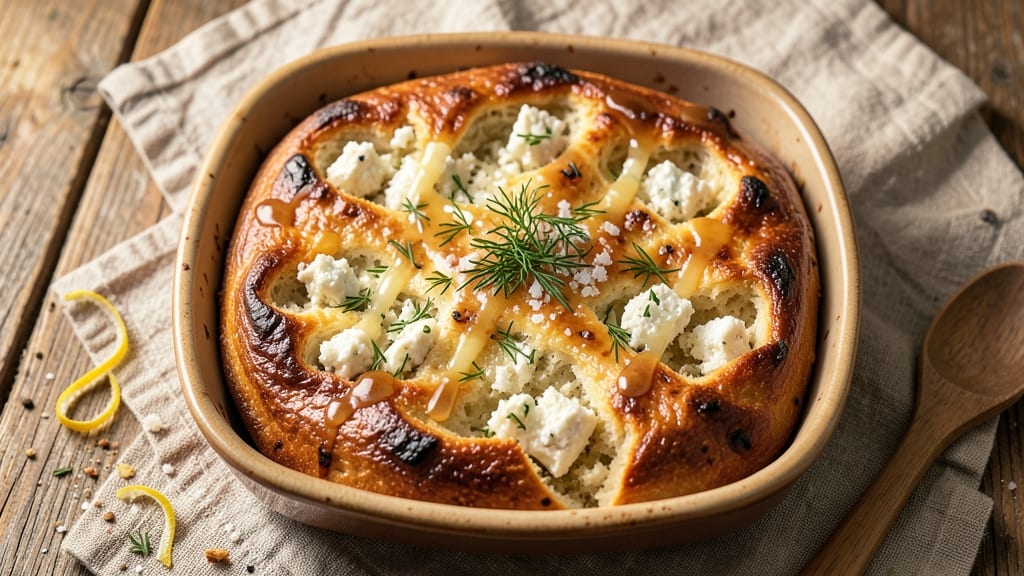
Aubree's feta bread recipe delivers crumbly, cheese-packed bites that disappear faster than you can say "garlic butter." The secret lies in blending tender dough with chunks of salty feta, creating a texture that's both flaky and satisfying—perfect for dipping or snacking.
I developed this version after years of testing, ensuring every bite has that perfect balance of chewiness and melt-in-your-mouth feta.
This recipe combines simple ingredients with a foolproof method that yields golden-brown loaves with a crisp exterior and soft, cheesy interior. The dough rises just enough to create pockets for the feta, while a touch of olive oil keeps it moist.
Whether you're hosting a gathering or craving a quick snack, this bread is designed to impress without requiring advanced baking skills.
By the time you pull it from the oven, you'll have warm, aromatic loaves with visible feta chunks peeking through the golden crust. The aroma alone will have everyone gathering around your table.
Serve it fresh with a drizzle of olive oil and a sprinkle of flaky sea salt for an extra touch of sophistication.
Perfect for meal prep or last-minute gatherings, this recipe scales easily while maintaining its signature texture. The instructions are clear, the process straightforward, and the results consistently delicious—no matter how many times you make it.
Ingredients for aubree's feta bread
Golden crust, salty feta chunks, and buttery aroma—this bread delivers every time.
| Ingredient | Amount | Notes |
|---|---|---|
| All-Purpose Flour 🌾 | 4 cups | Spooned and leveled |
| Active Dry Yeast 🍞 | ¼ tsp | Or 1 packet instant yeast |
| Granulated Sugar 🍚 | 1 tbsp | For yeast activation |
| Warm Water 💧 | 1 cup | 110°F for yeast activation |
| Unsalted Butter 🧈 | ½ cup | Cold, cubed for dough |
| Block Feta Cheese 🧀 | 1 ½ cups | Cubed, 1-inch pieces |
| Large Eggs 🥚 | 2 whole | Room temperature |
| Extra-Virgin Olive Oil 🫒 | ¼ cup | Plus extra for brushing |
| Diamond Crystal Kosher Salt 🧂 | 1 ½ tsp | Divided for dough and topping |
| Garlic Cloves 🧄 | 3 cloves | Minced for dough |
| Flaky Sea Salt 🧂 | 2 tbsp | For final sprinkle |
The feta is non-negotiable here. Grab a wedge from the deli counter—pre-cubed doesn't work. Look for blocks with visible moisture, not the crumbly kind. Trader Joe's and Whole Foods carry excellent options, but any quality feta will do. I always buy extra since it keeps for weeks in the fridge. For the butter, Land O'Lakes unsalted is my go-to—it's reliable and affordable. The yeast? Saf-Instant is my secret weapon—no proofing step needed, just sprinkle and mix.
No block feta? Pre-cut crumbled feta works in a pinch, but it won't give those perfect pockets. Running short on kosher salt? Diamond Crystal measures twice as much as Morton's—use half if that's what you've got. The olive oil should be extra-virgin—none of that cheap cooking oil. For the garlic, I use three cloves but adjust to taste. Love garlic? Add another clove. Hate it? Use two. The eggs must be room temperature—cold eggs sink in dough. Trust me on this one.
This dough is best made fresh, but you can prep it 24 hours ahead and let it rise overnight in the fridge. The feta cubes will keep their shape beautifully. Once baked, store at room temperature for 2 days or freeze for 3 months. I portion mine into slices and freeze them individually—perfect for quick snacks. Reheat slices at 350°F for 5-7 minutes to restore that crispy crust. The aroma alone will have everyone gathering around your table.
Why You'll Love This Recipe
- No Yeast Fuss: I swear by this dough—just flour, water, and a pinch of sugar. No waiting for yeast to bloom, no second rise to forget about. Mix, shape, bake. Done. Even my "I can't be bothered" nights end with warm bread on the table.
- Feta Magic: That salty, tangy crumble tucked inside? It’s the star. The butter keeps it rich but not greasy, and the feta melts just enough to make every bite feel like a little reward. (Between us, I’ve been known to eat it straight from the loaf.)
- Weeknight Hero: Slice it for toast, tear it for sandwiches, or just eat it with jam. It’s my go-to when I’m too tired to plan—no leftovers go to waste, and the dough freezes like a dream. Honestly, I’ve made it six times this month already.
- Budget Baking: Five ingredients, zero specialty items. You’re not spending extra on fancy starters or pre-shredded cheese. A single loaf costs me less than takeout, and it stretches further than any store-bought bread I’ve tried. My wallet and I both approve.
Step-by-step instructions for aubree's feta bread recipe
Here's how to create a golden, flaky, cheese-stuffed masterpiece that delivers on every bite.
Activate the Yeast and Prepare the Dough Base
In a small bowl, combine the 1 cup warm water (around 110°F), 1 tbsp granulated sugar, and 0.25 tsp active dry yeast. Let it sit for 5-10 minutes until it becomes frothy—this confirms your yeast is alive and ready to work. If it doesn't bubble, start over with fresh yeast.
In a large bowl, whisk together the 4 cups all-purpose flour and 1.5 tsp diamond crystal kosher salt (reserve 0.5 tsp for later). Make a well in the center and pour in the yeast mixture, 2 whole large eggs, 0.25 cup extra-virgin olive oil, and 0.5 cup cold cubed unsalted butter. Mix with a wooden spoon until a shaggy dough forms.
Knead Until Smooth and Elastic
Turn the dough onto a lightly floured surface and knead for 8-10 minutes until it becomes smooth and elastic. You'll know it's ready when it springs back slowly when poked. If it sticks, add flour 1 tablespoon at a time—but don't overdo it, or your bread will be dry.
Here's the thing—this dough is going to be slightly sticky because of the feta and butter. Don't panic if it feels wetter than usual. Shape it into a rectangle about 12x8 inches and wrap tightly in plastic wrap. Let it rest at room temperature for 30 minutes while you prep the filling.
Prepare the Feta Filling
Cut the 1.5 cups block feta cheese into 1-inch cubes—this ensures even distribution and those perfect melty pockets. In a small bowl, mix the 3 minced garlic cloves with the remaining 0.5 tsp diamond crystal kosher salt. This simple seasoning will elevate the feta's flavor.
Unwrap the rested dough and gently roll it out into a 14x10-inch rectangle on a floured surface. Sprinkle the feta cubes evenly across the surface, leaving a 1-inch border around the edges. Then, scatter the garlic-salt mixture over the feta. Here's where it gets fun—fold the dough over the filling like a letter, sealing the edges tightly.
Shape and Proof the Dough
Roll the sealed dough into a 12-inch log and pinch the seam to create a smooth surface. Place it seam-side down in a greased 9x5-inch loaf pan, then brush the top generously with extra-virgin olive oil. Sprinkle evenly with the 2 tbsp flaky sea salt—this is what creates that irresistible crust.
Cover the pan loosely with plastic wrap and let the dough proof in a warm place for 1-1.5 hours, or until it has nearly doubled in size. The dough should feel spongy and push back slowly when pressed gently with a finger. Preheat your oven to 375°F while it proofs—this ensures it's ready to bake immediately.
Bake to Golden Perfection
Bake the feta bread for 45-50 minutes until the top is deep golden brown and the internal temperature reaches 190°F. If the top browns too quickly, tent it loosely with foil to prevent burning while it finishes baking inside.
Let the bread cool in the pan for 10 minutes, then transfer it to a wire rack. Here's the best part—wait 15-20 minutes before slicing. The cheese needs time to set, or it'll ooze out everywhere. Each slice should reveal a gooey, salty feta center surrounded by flaky, buttery layers. Serve warm with a simple olive oil drizzle for that authentic touch.
Pro Tips For Making Aubree'S Feta Bread
- MEASURE WATER ACCURATELY: I learned this the hard way—yeast is fussy about hydration. Use a thermometer to confirm your warm water is 105–110°F (not boiling, not tepid), and stick to the recipe’s volume. Cold water kills yeast; hot water shocks it. No guesswork here—your dough’s rise depends on it.
- CUT COLD BUTTER IN SMALL PIECES: Skip the big chunks. Dice that unsalted butter into ¼-inch cubes before mixing it into the dough. This ensures even distribution and prevents clumps that won’t melt properly during baking. (Yes, even if you’re tempted to just soften it with your hands—it’s not worth the fight.)
- LET THE DOUGH REST AFTER SHAPING: Resist the urge to pop it in the oven right after folding in the feta. Give the shaped loaf 20–30 minutes at room temp to relax. This helps the gluten settle and prevents a dense, gummy crumb. (Your future self will thank you when the bread slices cleanly instead of fighting you.)
- USE A LIGHT HAND WITH FETA: Too much feta = soggy bread. Stick to the recipe’s amount—about 1 cup crumbled—and drain excess moisture if it’s fresh. Overloading the dough weakens the structure, and you’ll end up with a brick instead of a tender, cheesy loaf. Trust the ratio; it’s tested.
Wine and beer pairings for these flavors
Crisp Whites
Aubree's feta bread pairs beautifully with crisp, citrusy whites that cut through the richness of the feta. I always reach for a Greek Assyrtiko—its bright acidity and mineral notes complement the salty cheese perfectly.
For something more accessible, try a Sauvignon Blanc from New Zealand, like Kim Crawford. The zesty lime and grapefruit flavors refresh your palate after each cheesy bite. 🍷
Medium-Bodied Reds
If you prefer red wine, go for medium-bodied options that won't overpower the bread's delicate flavors. A Greek Agiorgitiko from Nemea offers earthy notes that harmonize with the feta's tanginess.
For something bolder but still balanced, try a Chianti Classico—its cherry and herbaceous undertones enhance the garlic in the dough. Avoid heavy Cabernets, as they can clash with the bread's buttery texture.
Beer Pairings
For beer lovers, a crisp lager like Peroni or Heineken works wonders—their clean, effervescent profiles cleanse the palate between bites. If you prefer something with a little more character, try a Belgian Witbier like Hoegaarden, which adds a subtle citrus and spice contrast.
For a local favorite, a German Pilsner from Weihenstephaner brings a refreshing crunch that pairs surprisingly well with the bread's richness.
Rosé for Lunch
This bread is perfect for lunch or brunch, and a dry rosé elevates the experience. I love a Provence rosé from Château d'Esclans—its strawberry and almond notes complement the feta's saltiness without overpowering it.
For a budget-friendly option, try a Spanish Garnacha rosé from Bodegas Muga. The bright acidity and red fruit flavors make every bite feel like a celebration. 🍹
Non-Alcoholic Options
Don't drink? No problem! A sparkling water with lemon adds a refreshing contrast to the bread's richness. For something more substantial, try a cucumber-mint infused water—the cool, herbal notes balance the salty feta beautifully.
If you prefer a non-alcoholic beer, Heineken 0.0 or Corona Premier keep that crisp, clean profile without the alcohol. A sparkling grape juice like Martinelli also works surprisingly well for a festive touch.
Dessert Wine Finish
Save a small glass of Moscato d'Asti for dessert—its sweet, fizzy profile contrasts delightfully with the savory bread. The effervescence cleanses your palate, making each bite of the feta bread feel like a new experience.
For something stronger, a Portuguese Vinho Verde offers a light, slightly effervescent finish that bridges the gap between the meal and dessert. 🍇
Nutrition facts
Frequently asked questions
Can I substitute crumbled feta for block feta in this recipe?
While you can use crumbled feta, the texture won't be the same. Block feta creates those perfect 1-inch pockets of melty cheese that make this bread special. If you must use crumbled, press it gently into the dough to create pockets, but expect less dramatic cheese pull when slicing.
How do I know when the dough has risen enough before baking?
The dough should nearly double in size and feel spongy when pressed gently. It should leave a slow, gentle impression when you press your finger about 1/2-inch deep. If it springs back quickly, give it 20-30 more minutes of proofing. The pan should feel full and the dough should reach the top edges.
Why did my feta bread turn out dense instead of flaky?
Dense bread usually means the dough didn't rise enough or was overworked. Make sure your yeast was active (it should bubble in 5-10 minutes with warm water). Also, avoid over-kneading—the dough should be smooth but slightly sticky. For extra flakiness, brush the baked loaf with melted butter after it cools.
Can I make this bread without a loaf pan?
Shape the dough into a free-form loaf on a parchment-lined baking sheet. For extra crispness, brush with olive oil and sprinkle with flaky salt before baking. Bake at 375°F for 35-40 minutes until golden. The texture will be slightly different but still delicious—more rustic and open crumb.
How long can I keep this bread, and how should I reheat slices?
Store at room temperature for 2 days or freeze for 3 months. To reheat, wrap slices in foil and warm at 350°F for 5-7 minutes. For extra crispiness, place under the broiler for 1-2 minutes after warming. The cheese will soften slightly but still be delicious.