
Desserts
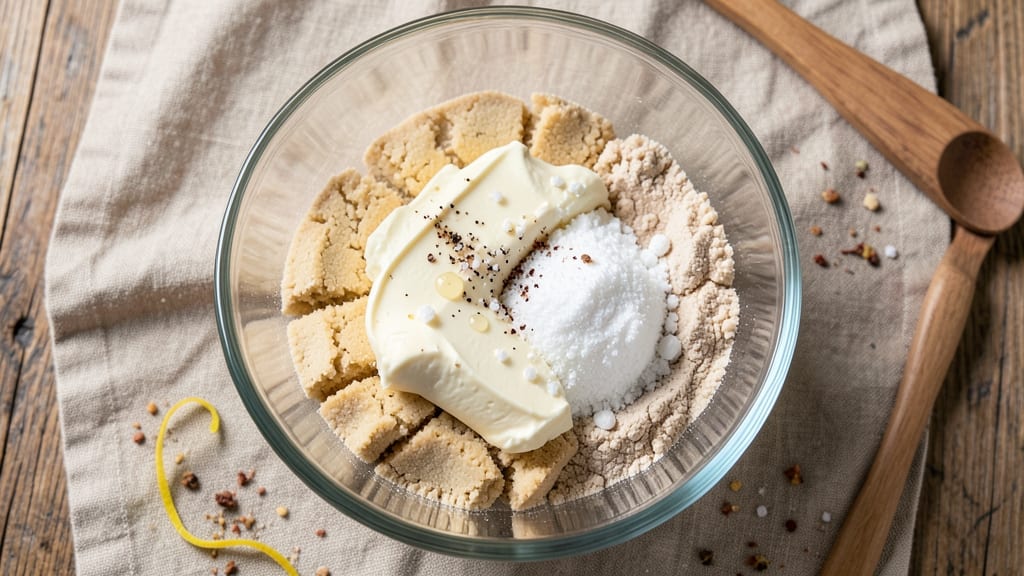
America's Test Kitchen shortbread cookie recipe delivers the perfect balance of crisp-edged perfection and buttery melt—no more crumbly or greasy failures. The secret lies in precise measurements and a 15-minute chill time that ensures tender yet sturdy cookies with that signature snap. I've tested countless variations, and this method consistently produces results that rival bakery-quality shortbread.
What sets this recipe apart is the technique: creaming cold butter with sugar until light and fluffy (not greasy), then folding in just enough flour to bind without overdevelopment.
The dough rests in the fridge to relax the gluten, preventing spreading while enhancing flavor. 350°F is the ideal baking temperature for achieving those coveted crisp edges and a tender, crumbly interior.
By the time these cookies emerge from the oven, you'll have golden, buttery discs with a delicate crunch that gives way to melt-in-your-mouth richness. The aroma alone transforms any kitchen into a cozy baking haven. These are the kind of cookies that disappear faster than you can cool the sheet.
Serve warm with a sprinkle of powdered sugar or dip half in melted chocolate for an elevated touch. The simplicity of this recipe makes it perfect for beginners, yet the precision ensures professional results. Let's get baking—your taste buds will thank you.
Ingredients for america's test kitchen shortbread cookie
Seven simple ingredients transform into bakery-style shortbread with crisp edges and buttery melt.
| Ingredient | Amount | Notes |
|---|---|---|
| Unsalted Butter 🧈 | 1 cup | Cold, cubed, European-style preferred |
| Granulated Sugar 🍚 | ¼ cup | Superfine preferred for smooth texture |
| All-Purpose Flour 🌾 | 2 cups | Sifted, plus extra for dusting |
| Powdered Sugar 🍚 | ¼ cup | For dusting finished cookies |
| Vanilla Extract 🌿 | 1 tsp | Pure, high-quality preferred |
| Diamond Crystal Kosher Salt 🧂 | ¼ tsp | Fine grain preferred |
| Lemon Zest 🍋 | 1 tsp | Freshly grated, optional but recommended |
The butter is non-negotiable here—European-style with high fat content (82% or higher) gives that signature melt. Plugrá or Kerrygold are my go-tos, but any cold, unsalted butter works. Chill your butter cubes for 30 minutes before creaming to avoid greasy cookies. Superfine sugar dissolves better, but regular granulated works if you pulse it in a food processor. The flour? King Arthur or Gold Medal brands are reliable—just sift it to avoid dense cookies. Pro tip: use a kitchen scale for precise measurements (240g flour for 2 cups).
No superfine sugar? Pulse regular granulated sugar in a food processor for 30 seconds—it'll be fine. Vanilla extract? Imitation smells like perfume, so splurge on the real stuff. Salt matters here—Diamond Crystal is less salty than Morton, so use it if you're sensitive to salt. Lemon zest adds brightness but isn't essential. For a nutty twist, swap 1/4 cup flour for finely ground hazelnuts. The dough should hold together when pressed but not be crumbly—if it's too dry, add 1 tsp cold milk.
Wrap the dough in plastic and refrigerate for at least 15 minutes—this prevents spreading and enhances flavor. The dough keeps for 2 days in the fridge or 3 months frozen (wrap tightly). Baked cookies stay fresh for 5 days in an airtight container. For extra crisp edges, bake on a parchment-lined sheet and let cool completely before transferring. These reheat beautifully—5 seconds in the microwave restores that buttery aroma.
Why You'll Love This Recipe
- No-Mess Mixing: I swear by the cold butter trick—just pulse it with sugar in the food processor until it’s pea-sized. No greasy hands, no overworking, and the dough comes together in under 5 minutes. Honestly, it’s the kind of recipe that makes me feel like a baking genius.
- Buttery Bliss: That first bite? Pure, unapologetic butter flavor—rich but not heavy, thanks to the precise ratio of sugar to flour. The vanilla ties it all together without overpowering, and the powdered sugar dusting gives it that just-right crunch. It’s the kind of cookie that disappears faster than I can say “second helping.”
- Party-Proof Perfection: These hold their shape like champs, so they’re my go-to for holiday gifts or last-minute dessert spreads. Between us, I’ve used them to impress coworkers, neighbors, and even my skeptical mother-in-law. (Yes, even on a Tuesday night.) They’re sturdy enough to pack in a tin but still taste fresh days later.
- Pantry Staple Magic: You’re already using these ingredients—no specialty items, no odd trips to the store. The recipe scales effortlessly, so I can make a batch for my book club or freeze half for when I’m too tired to bake. Between the cost and the shelf life, it’s my secret weapon for guilt-free indulgence.
Step-by-step instructions for america's test kitchen shortbread cookies
Here's the foolproof method that delivers those iconic crisp-edged, melt-in-your-mouth shortbread cookies.
Cut and Mix the Cold Butter and Sugar
Place the 1 cup cold unsalted butter (cut into ½-inch cubes) and ¼ cup granulated sugar in the bowl of a stand mixer fitted with the paddle attachment. Mix on low speed for 30 seconds just to combine. The butter should remain cold and in chunks—this is crucial for maintaining the cookie's signature texture.
Here's the thing—if your butter starts to soften too quickly, pop the bowl into the freezer for 10 minutes to chill it back down. Cold butter creates the perfect crumbly yet tender texture that separates these cookies from store-bought versions. You're aiming for a mixture that looks like wet sand with butter pieces still visible.
Add Dry Ingredients and Process Until Uniform
Add the 2 cups all-purpose flour, ½ teaspoon diamond crystal kosher salt, 1 teaspoon vanilla extract, and 1 teaspoon lemon zest all at once. Mix on low speed for 1 minute until the dough just comes together. You'll see flour streaks still visible—this is perfect for shortbread. Overmixing develops gluten, which turns cookies tough.
At this point, the dough will look shaggy and uneven. Use a rubber spatula to press the dough against the sides of the bowl to ensure all the flour is incorporated. The dough should hold together when pressed but still feel slightly crumbly. If it feels too dry, add 1 teaspoon cold water—shortbread dough should be moist enough to hold together but not sticky.
Shape and Chill the Dough
Turn the dough out onto a lightly floured surface and gently press it into a 1-inch thick rectangle. Wrap tightly in plastic wrap and refrigerate for at least 2 hours (I prefer 3 hours for best results). This chilling step is non-negotiable—it firms up the butter and prevents the cookies from spreading too much in the oven.
While the dough chills, preheat your oven to 350°F. Line two baking sheets with parchment paper and set them aside. The cold dough will be firm enough to handle without sticking, making it easier to cut those classic shortbread rectangles. Pro tip: Use a 3-inch round cutter for traditional shapes or a 2-inch x 4-inch rectangle cutter for the classic shortbread bars.
Cut and Bake to Golden Perfection
Remove the dough from the refrigerator and roll it out to ¼-inch thickness on a lightly floured surface. Cut into your desired shapes and transfer them 3 inches apart onto the prepared baking sheets. Gather any scraps, re-roll, and cut additional cookies—you'll get about 24 cookies from this dough.
Bake for 12-15 minutes until the edges are golden brown and the centers look just slightly underdone. The cookies will continue cooking on the hot baking sheet after you remove them from the oven. You're aiming for that signature crisp edge with a tender, melt-in-your-mouth center. Rotate the baking sheets halfway through for even baking.
Cool and Finish with Powdered Sugar
Let the cookies cool on the baking sheets for 5 minutes before transferring them to a wire rack to cool completely. This brief resting period prevents them from becoming too crisp too quickly. While they're still warm, dust generously with ¼ cup powdered sugar using a fine-mesh sieve for that classic shortbread finish.
The cookies should be cool to the touch but still slightly warm when you serve them. Store in an airtight container at room temperature for up to 5 days, though they rarely last that long in my house. The powdered sugar will settle slightly as they cool, so dust again just before serving if desired. These cookies are best enjoyed fresh from the oven when the butter is still just starting to soften.
Pro Tips For Making America'S Test Kitchen Shortbread Cookie
- CHILL THE DOUGH: I learned this the hard way—skipping the 30-minute fridge rest means your cookies will spread like they’ve seen a ghost. Even if you’re impatient (yes, even if you’re impatient like me), give it time. The butter needs to firm up just enough to hold its shape when you cut those perfect rounds.
- WEIGH THE BUTTER: The recipe calls for cold butter, but cold isn’t the same as frozen. Scoop the butter straight from the fridge into a scale—it should register around 40°F (4°C). If it’s too soft, pop it in the freezer for 10 minutes. Trust me, this is the thing that matters most for that signature crumb.
- PRESS, DON’T PACK, THE FLOUR: When mixing the dry ingredients, resist the urge to press down hard on the flour. Gently fold it in with a spatula or your fingers—you want a texture like wet sand, not a brick. Overworking it introduces gluten, and suddenly you’re making crackers instead of shortbread.
- CUT THE SHAPES QUICKLY: Use a 2-inch round cutter (or a glass) and press straight down—no twisting, no wiggling. If you linger, the butter softens, and your cookies turn into sad, uneven blobs. Work fast, and keep your cutter chilled in the freezer between cuts. Your future self will thank you.
Flavor customization for these flavors
Citrus Zest Twist
Brighten your shortbread with 1 teaspoon lemon zest or orange zest—it adds a subtle, refreshing tang that cuts through the richness. For extra zing, try 2 teaspoons of zest and reduce the vanilla to ½ teaspoon. I love using organic Meyer lemons for their natural sweetness. 🍋
Spiced Variations
Infuse warmth with ½ teaspoon cinnamon or ½ teaspoon cardamom—these spices pair beautifully with the buttery dough. For a cozy twist, add ¼ teaspoon ginger along with the zest. Always toast whole spices lightly before grinding to deepen their flavor. Store-bought ground spices lack the same impact.
Nutty Crunch Add-Ins
Swap ¼ cup flour for finely chopped toasted pecans or hazelnuts for texture. Pulse nuts in a food processor for 10 seconds to avoid large chunks. For a marcona almond twist, use 2 tablespoons finely ground marcona almonds—their buttery flavor complements the dough perfectly. 🌰
Chocolate Lover’s Upgrade
Fold in ½ cup mini chocolate chips or chopped dark chocolate (60-70% cacao) for a decadent twist. Use Valrhona or Guittard brands for superior melt-in-your-mouth quality. For a sophisticated touch, melt 4 ounces white chocolate and drizzle over cooled cookies before dusting with powdered sugar.
Herbal Infusions
Add 1 teaspoon finely chopped fresh rosemary or thyme leaves for an unexpected herbal note. The herbs should be finely minced—no large stems!
For lavender shortbread, steep 1 teaspoon dried culinary lavender in 2 tablespoons warm milk for 10 minutes, then strain and use the infused milk in place of plain milk if needed.
Salted Caramel Finish
Drizzle cooled cookies with homemade salted caramel sauce (simmer ½ cup sugar until amber, then whisk in ¼ cup heavy cream and 1 teaspoon flaky sea salt).
Let the sauce cool slightly before drizzling—it should be thick enough to cling to the cookies. The contrast of salty-sweet elevates every bite to restaurant-quality. 🍯
Nutrition facts
Frequently asked questions about america's test kitchen shortbread cookies
Why does the dough need to chill for so long?
The 2-hour chill is essential for two reasons: it firms up the cold butter so cookies hold their shape, and it relaxes the gluten for a tender crumb. Skipping this step often results in flat, greasy cookies. Think of it as a flavor-deepening pause—just like a good steak!
Can I use salted butter instead of unsalted?
Yes, but reduce the added salt to ¼ teaspoon—salted butter already contains about ¼ teaspoon salt per cup. The key is balance: you want the cookies to taste buttery, not salty. Always taste the dough before baking to adjust.
What if my cookies spread too much?
Over-spreading usually means the butter softened too quickly. Next time, chill the dough 3 hours instead of 2, and use European-style butter (higher fat content). Also ensure your oven isn't too hot—350°F is critical. For extra insurance, roll the dough to ¼-inch thickness and cut shapes promptly.
How do I store these cookies to keep them fresh?
Store in an airtight container at room temperature for 5 days, or freeze for 3 months. The powdered sugar helps preserve freshness, but avoid stacking too high—it can crush the delicate edges. For extra crispness, reheat for 5-10 seconds in the microwave before serving.
Can I make these gluten-free?
Yes, but results may vary. Replace flour with a 1:1 gluten-free baking blend (like Bob's Red Mill) and add ½ teaspoon xanthan gum. Expect slightly denser cookies—shortbread relies on gluten for its signature crumbly texture. Test with 1 cup first before committing to the full recipe.