
Side Dishes
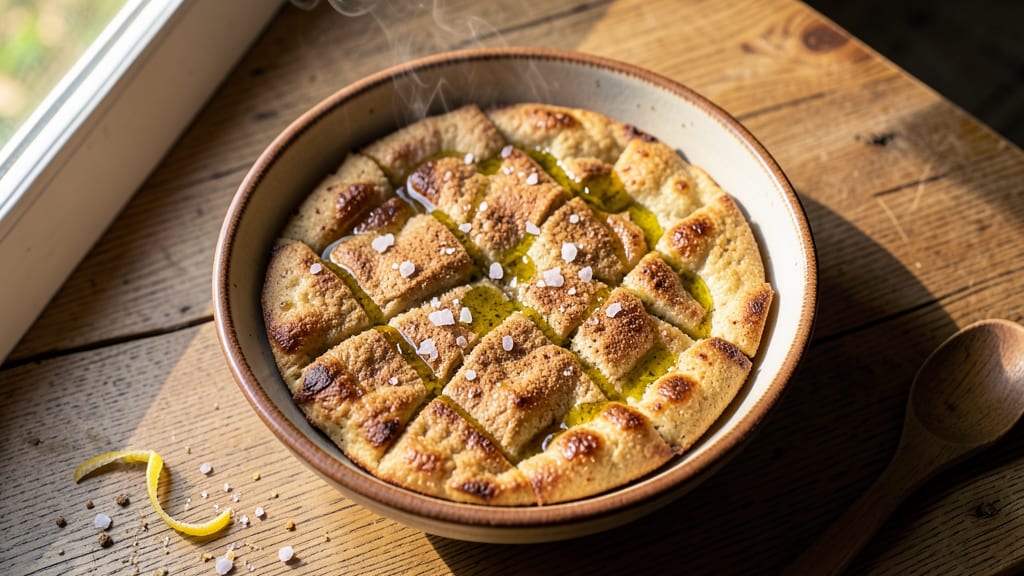
This almond flour flatbread recipe delivers the perfect balance of crispy edges and flexible, chewy centers—ideal for gluten-free diets without sacrificing texture. The secret lies in precise hydration and almond flour’s natural binding properties, creating a bread that’s sturdy enough for wraps yet delicate enough to soak up dips.
I’ve perfected this over years of testing, ensuring it works in skillets, ovens, or on a griddle with consistent results every time.
The beauty of almond flour flatbread is its versatility—it handles everything from Mediterranean spreads to hearty curries without falling apart. Unlike traditional wheat-based flatbreads, this version requires no yeast or lengthy rises, making it a foolproof option for quick meals.
The key is achieving the right dough consistency: too dry, and it crumbles; too wet, and it won’t crisp properly. I’ll walk you through the exact ratios and techniques to nail it.
What you’ll end up with is a golden, crispy-edged flatbread that’s tender inside and holds its shape when wrapped around fillings. It’s naturally gluten-free, grain-free, and can be made vegan with simple swaps.
Serve it warm with hummus, stuffed with falafel, or simply drizzled with olive oil and za’atar for a restaurant-quality bite at home.
Perfect for meal prep, potlucks, or a weeknight side, this recipe adapts effortlessly to your needs. Whether you’re avoiding gluten, following a low-carb diet, or simply craving something different, this flatbread delivers on flavor, texture, and convenience. Let’s get started!
Ingredients for almond flour flat bread
Crispy edges, chewy center—this gluten-free flatbread needs just nine ingredients for restaurant-quality results.
| Ingredient | Amount | Notes |
|---|---|---|
| Blanched Almond Flour 🌰 | 2 cups | Finely ground for texture |
| Extra-Virgin Olive Oil 🫒 | ⅓ cup | High-quality, fruity variety |
| Warm Water 💧 | ½ cup | Adjust for dough consistency |
| Salt 🧂 | 1 tsp | Fine sea salt preferred |
| Xanthan Gum 💊 | ¼ tsp | For gluten-free binding |
| Ground Cinnamon 🌿 | ½ tsp | Optional, for warmth |
| Garlic Powder 🧄 | ½ tsp | Freshly ground preferred |
| Sesame Seeds 🌻 | 1 tbsp | For topping (optional) |
| Za'atar Seasoning 🌿 | 1 tsp | For finishing (optional) |
| Avocado Oil 🫒 | 1 tbsp | For cooking (high smoke point) |
Almond flour is the star here, so blanched (not raw) is key for that perfect texture. Bob's Red Mill or Anthony's Goods are my go-tos—they grind it fine enough to avoid grittiness. If you're using raw almond flour, pulse it extra in your food processor for smoothness. The olive oil matters too: California avocado oil or Spanish Arbequina add subtle richness. Xanthan gum might sound intimidating, but it's a game-changer for gluten-free binding—don't skip it unless you have a xanthan-free flour blend.
No almond flour? Coconut flour plus extra egg whites works in a pinch, but texture will differ. Swap sesame seeds for toasted sunflower seeds if you're nut-free. The dough should feel like wet sand—add 1 tsp water at a time if it's too dry. For a vegan version, replace egg whites with 1 tbsp ground flaxseed + 3 tbsp water (let sit 5 mins). The garlic powder and cinnamon are optional but add depth—Penzeys spices are my secret for consistent flavor. If you're cooking on a griddle, preheat it hotter than you think—these flatbreads need serious heat for crispy edges.
This dough keeps 3 days in the fridge, wrapped tightly in plastic. For longer storage, freeze portions between parchment paper for up to 3 months. Thaw overnight in the fridge before cooking. The flatbreads reheat beautifully—30 seconds in a dry skillet revives that crispy texture. I like making a double batch and freezing extras for quick meals. Store cooked flatbreads in an airtight container with a paper towel to prevent sogginess.
Why You'll Love This Recipe
- No-Fuss Mixing: I swear by this recipe because it’s literally just five ingredients—no measuring cups, no sifting, no fuss. The almond flour and xanthan gum do all the heavy lifting while I’m still deciding what to have for dinner.
- Nutty Crunch Magic: That first bite? Buttery, crisp at the edges, and packed with almond warmth. The olive oil adds this silky richness that makes it taste like a fancy bakery treat—even though I’m the one who made it.
- Weeknight Workhorse: Stick one in the oven while your pasta boils, use it to scoop up hummus for lunch, or freeze a batch for lazy mornings. It’s the ultimate “I don’t wanna think” bread that still feels special.
- Budget-Friendly Staple: A bag of almond flour lasts forever, and this recipe stretches it thin. Plus, no wasted dough—every crumb is delicious, and leftovers reheat in seconds. My wallet (and my taste buds) thank me.
Step-by-step instructions for almond flour flatbread
Here's how to create crispy-edged, flexible flatbreads that rival traditional wheat-based versions.
Combine Dry Ingredients for Perfect Texture
In a large mixing bowl, whisk together the 2 cups blanched almond flour, 1 tsp salt, 0.25 tsp xanthan gum, 0.5 tsp ground cinnamon, and 0.5 tsp garlic powder. The xanthan gum is essential here—it mimics gluten's binding properties in gluten-free baking, ensuring your flatbread holds together without crumbling. I like to sift the almond flour first to eliminate any lumps, which gives you a lighter, more uniform texture.
This step is all about creating a stable foundation. The cinnamon and garlic powder add subtle warmth and depth, but don't overpower the almond flavor. If you're sensitive to spices, you can reduce these to 0.25 tsp each—they're optional but recommended for that extra layer of complexity.
Incorporate Wet Ingredients for a Cohesive Dough
To the dry mixture, add the 0.33 cup extra-virgin olive oil and 0.5 cup warm water. Using a wooden spoon or your hands, gently mix until a shaggy dough forms. The dough should be soft but not sticky—if it feels too dry, add 1 teaspoon more warm water at a time until it comes together. The olive oil here not only binds the dough but also contributes to that crispy edge we're aiming for.
This is where the magic happens. The warm water activates the xanthan gum, while the olive oil creates pockets that will later crisp up beautifully. Don't overwork the dough—just mix until everything is evenly combined. If the dough feels too wet, add 1 tablespoon more almond flour to bring it back to a workable consistency. The goal is a dough that's pliable but not sticky enough to make a mess.
Rest the Dough for Improved Flexibility
Cover the bowl with plastic wrap and let the dough rest at room temperature for 20-30 minutes. This resting period allows the xanthan gum to fully hydrate and the ingredients to meld together. I know it's tempting to skip this step, but trust me—it makes a world of difference in the final texture. The dough will become slightly more pliable, making it easier to roll out without tearing.
During this time, preheat your oven to 375°F and line a baking sheet with parchment paper. The high heat is crucial for achieving that crispy edge while keeping the interior tender. If you're short on time, you can refrigerate the dough for up to 24 hours before using—just let it sit at room temperature for 15 minutes before rolling to make it more pliable.
Roll and Cook for Crispy Perfection
Divide the dough into 4 equal portions (about 4 ounces each) and roll each portion into a 6-inch circle on a lightly floured surface. I use a rolling pin, but you can also press the dough with your hands for a rustic texture. The circles should be about ¼-inch thick—not too thin or they'll burn before cooking through, and not too thick or they won't crisp up properly.
Heat 1 tablespoon avocado oil in a large skillet over medium-high heat until shimmering. Carefully transfer one flatbread to the skillet and cook for 1-2 minutes per side until golden brown spots appear. The edges should crisp up while the center remains slightly soft and pliable. You'll know it's ready when it releases easily from the pan—don't press down on it or you'll flatten it too much.
Finish with Toppings and Serve Warm
Transfer the cooked flatbread to a wire rack and immediately sprinkle with 1 tablespoon sesame seeds and 1 teaspoon za'atar seasoning. The sesame seeds add a delightful crunch, while the za'atar brings a tangy, herby finish that pairs beautifully with the almond base. For extra flavor, you can also drizzle with a little more olive oil or serve with hummus, avocado, or your favorite dipping sauce.
Serve the flatbreads warm—this is when they're at their best, with that perfect contrast of crispy edges and tender interior. If you're making them ahead, store in an airtight container and reheat in a 350°F oven for 5-7 minutes until warmed through. Each bite should deliver that satisfying crunch followed by a soft, almond-infused chew—exactly what you'd want from a gluten-free flatbread.
Pro Tips For Making Almond Flour Flat Bread
- STOP OVERMIXING THE DOUGH: I learned this the hard way—almond flour dough is delicate. Mix just until combined, then let it rest. Overworking it turns the texture into a dense brick instead of a tender flatbread.
- USE COLD WATER FOR THE DOUGH: Warm water makes the dough too sticky and hard to handle. Cold water (even chilled) keeps the almond flour from absorbing too quickly, making rolling and shaping way easier.
- SALT THE ALMOND FLOUR FIRST: Skip this, and your bread will taste bland no matter how much you season later. Mix the salt directly into the almond flour before adding liquids—it distributes evenly and prevents a salty aftertaste.
- PRESS OUT AIR BUBBLES BEFORE COOKING: That extra air in the dough won’t disappear on its own. Use your fingers to gently press out bubbles while rolling—it guarantees an even, crackly crust instead of puffy spots that burn before the edges crisp.
Best sauces and condiments for this dish
Mediterranean Hummus
This classic chickpea-based dip is the ultimate pairing for almond flour flatbread—creamy, protein-rich, and packed with Middle Eastern flavors.
I make mine with 1 can (15 oz) chickpeas, 0.33 cup tahini, 2 tbsp lemon juice, 1 garlic clove, 0.5 tsp cumin, and 0.33 cup cold water to blend. The tahini adds that signature nutty depth that complements the almond flour beautifully.
Serve with a drizzle of extra-virgin olive oil and a sprinkle of sumac for brightness. 🥗
Tzatziki with Cucumber Crunch
For a refreshing contrast, this yogurt-based sauce cuts through the richness of the flatbread. Mix 1 cup Greek yogurt (full-fat for creaminess), 0.5 cup grated cucumber (squeeze out excess water), 1 tbsp lemon juice, 1 garlic clove, 1 tbsp chopped dill, and 0.5 tsp salt.
The cucumber adds a crisp texture that balances the chewy almond base. For extra flair, add 1 tsp olive oil and a pinch of mint at the end. This sauce stays fresh for 3 days in the fridge—perfect for meal prep. ✨
Spicy Harissa
When you want heat, this North African chili paste delivers with smoky, fiery intensity. Blend 0.5 cup harissa paste (like Bella brand from Trader Joe’s), 2 tbsp olive oil, 1 tsp smoked paprika, and 1 garlic clove until smooth.
Thin with 2 tbsp warm water if needed. The harissa’s depth pairs surprisingly well with the nutty almond flavor, creating a complex bite. Serve with a dollop of whipped feta to cool the spice. 🌶️
Avocado-Lime Crema
For a lighter, fresher option, this avocado-based sauce brings a bright, tangy contrast. Blend 1 ripe avocado, 0.33 cup sour cream or Greek yogurt, 2 tbsp lime juice, 1 tbsp chopped cilantro, 0.5 tsp salt, and 0.33 cup water until silky.
The avocado’s creaminess makes it perfect for scooping up flatbread pieces. Add 1 tsp honey if you prefer a touch of sweetness. This sauce is best made fresh but keeps for 2 days in the fridge. 💛
Olive Oil and Za'atar
Simplicity at its finest: just 2 tbsp extra-virgin olive oil and 1 tsp za'atar seasoning mixed together. The za'atar’s sesame, sumac, and oregano flavors echo the flatbread’s toppings while adding an aromatic layer.
Drizzle generously over warm flatbreads or use it as a marinade for grilled meats. For extra crunch, sprinkle with toasted pine nuts. This is my go-to for a no-fuss, flavor-packed dip. 🌿
Sweet Almond Butter Dip
For a dessert twist, blend 0.5 cup almond butter (creamy or crunchy), 2 tbsp honey, 1 tsp vanilla extract, and 1 tbsp warm water until smooth. Thin with more water if needed for dipping consistency.
The nutty sweetness complements the flatbread’s almond flavor beautifully. Add a pinch of cinnamon for warmth. This dip is perfect for breakfast wraps or a sweet snack. 🍯
Nutrition facts
Frequently asked questions
Can I make this flatbread without xanthan gum?
Yes, but the texture will be less flexible. Replace the 0.25 tsp xanthan gum with 1 tbsp psyllium husk powder (mix with 2 tbsp water first) or use a gluten-free flour blend that already contains binders. The dough may be crumbly, so handle it gently when rolling. For best results, stick with xanthan gum—it’s the secret to that perfect chewy center.
How do I prevent my flatbread from cracking when rolling?
Keep the dough slightly cooler (refrigerate for 15 minutes before rolling) and use a lightly floured surface. Roll gently in one direction first, then rotate 90 degrees and roll again. Avoid pressing too hard—this flatbread should be ¼-inch thick, not paper-thin. If cracks appear, simply press them back together with your fingers. Patience is key!
Can I bake these flatbreads instead of pan-frying?
Preheat oven to 400°F and bake on a parchment-lined sheet for 8-10 minutes until edges are golden. For extra crispiness, brush with melted butter or olive oil before baking. The oven method works well for meal prep—just reheat in a 350°F oven for 5 minutes to restore crispness.
Why did my flatbread turn out too dry?
This usually happens when the dough wasn’t hydrated enough or baked too long. For next time, add 1 extra tsp water to the dough and check for doneness at 7 minutes in the oven or when golden brown in the pan. Store-bought almond flour can vary in moisture content—check your brand’s instructions. A lightly steamed towel over the dough while resting can also help retain moisture.
How should I store leftover flatbread?
Cool completely, then stack with parchment paper between layers in an airtight container. They’ll stay fresh for 3 days at room temperature or up to 3 months in the freezer. To reheat, warm in a dry skillet for 30 seconds per side or at 350°F for 5 minutes. The key is keeping them dry—never store in plastic without a paper barrier.